When planning a home improvement project, flooring often becomes a big decision point. It sets the tone for a space, impacts comfort, and influences how practical the room will be for everyday use. But what if you’re not looking for a permanent renovation? What if you need something affordable, flexible, and easy to install on your own? That’s where DIY interlocking floor mats come in.
Over the last decade, these puzzle-piece style mats have become a household favorite for home gyms, playrooms, workshops, and even trade show booths. They’re versatile, lightweight, and can transform a dull floor into a comfortable, functional space in just a few hours. But like any product, they’re not a one-size-fits-all solution. Some people swear by them, while others find them lacking depending on the setting.
This guide will give you everything you need to know—the pros, the cons, the best use cases, buying tips, and even product recommendations—so you can make an informed decision. By the end, you’ll know exactly if DIY interlocking mats are right for your project.
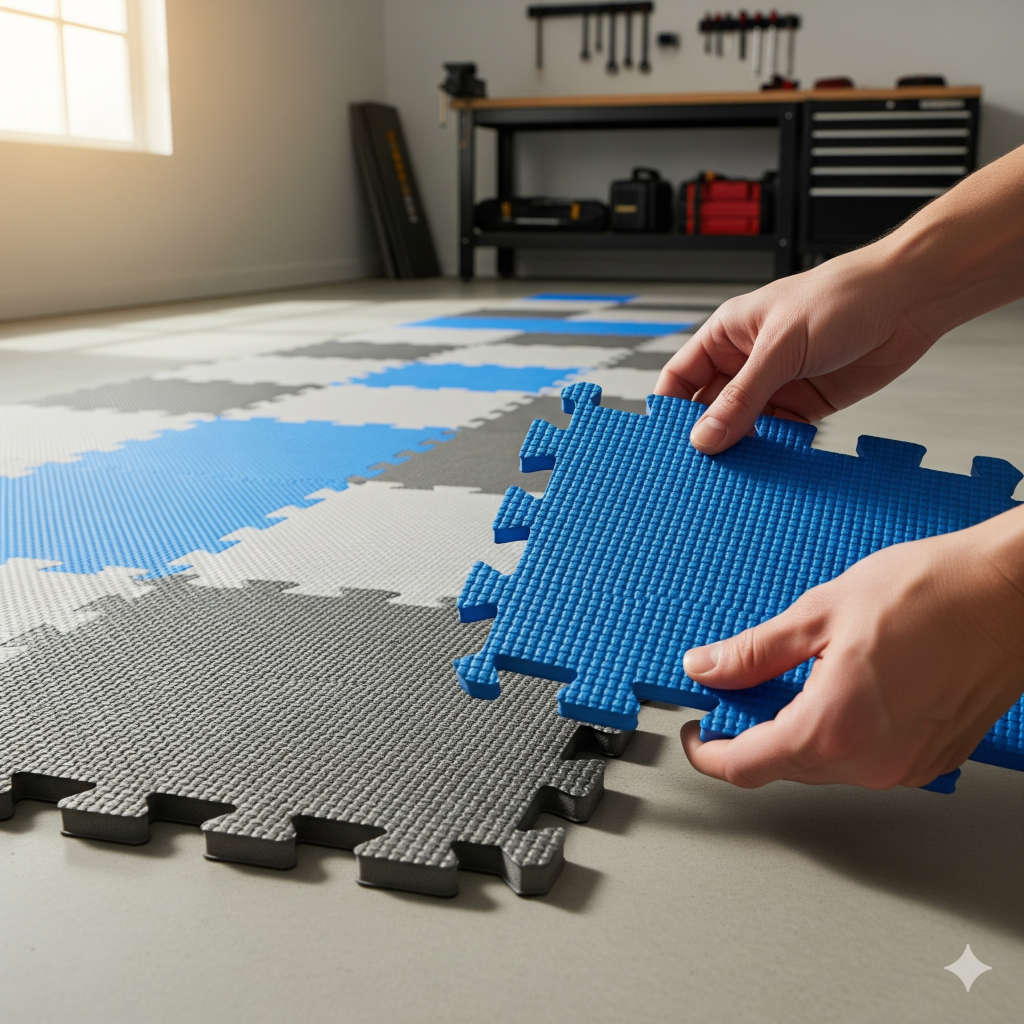
Interlocking floor mats are modular flooring tiles that connect using puzzle-like edges. They’re typically made from EVA foam, rubber, or PVC. Unlike traditional flooring, these mats don’t require adhesives, nails, or professional tools. You can lay them down on almost any flat surface, lock the pieces together, and create a cushioned floor in minutes.
Common Uses
Home gyms for weightlifting, yoga, or cardio
Kids’ playrooms for a safe, padded surface
Basements to cover cold concrete floors
Garages and workshops for standing comfort
Trade shows or events as portable flooring
Pet areas where durability and easy cleanup matter
They’re popular because of their flexibility: you can cover a small nook, a whole room, or even take them apart and reassemble them elsewhere.
Pros of DIY Interlocking Floor Mats
Before investing in flooring, it helps to know what makes these mats stand out. Let’s look at their strongest benefits.
1. Incredibly Easy Installation
Anyone can install interlocking mats—no contractor required. You simply snap the tiles together by hand. If you need to fit them into corners or around obstacles, a basic utility knife will do the trick. Perfect for DIYers and renters.
2. Budget-Friendly Flooring
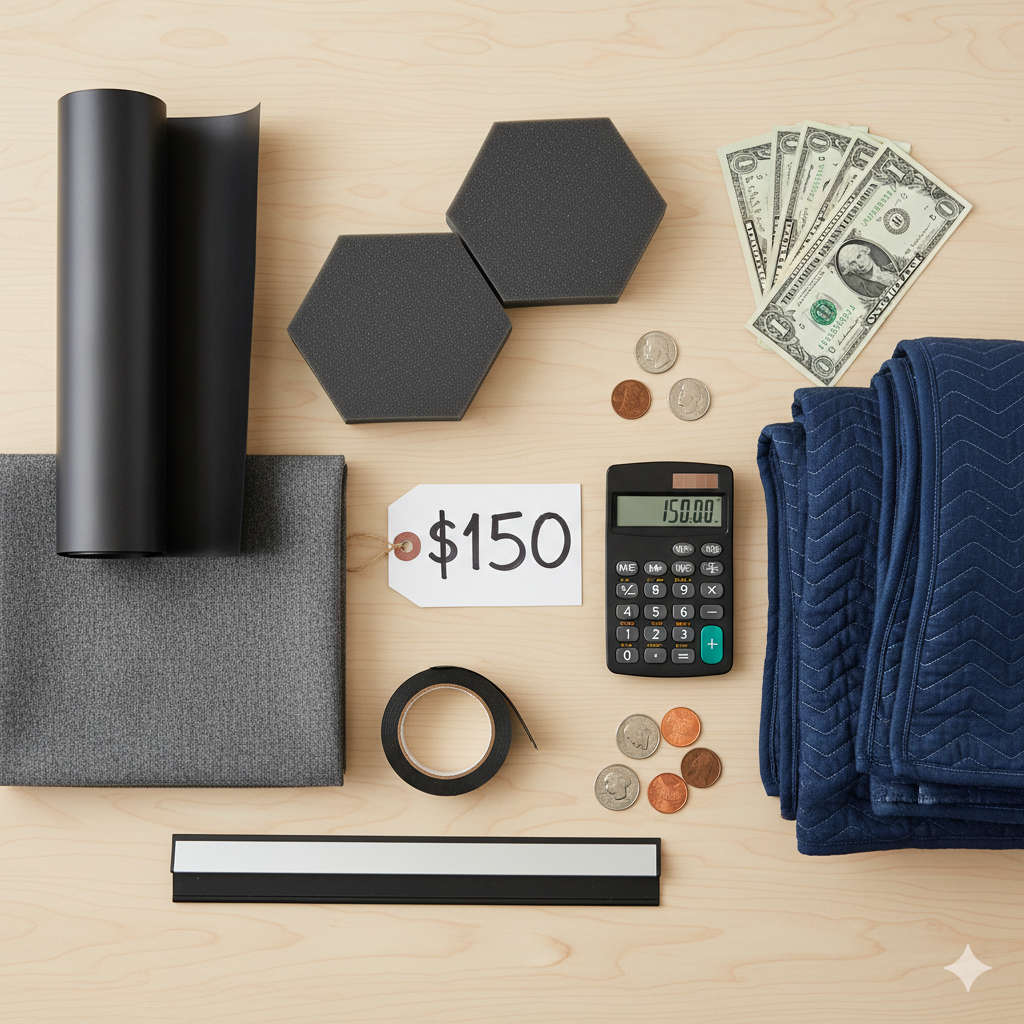
Compared to hardwood, tile, or vinyl planks, interlocking mats are inexpensive. A pack of foam mats can cost under $50 and cover a decent-sized area. Rubber versions cost more but are still far more affordable than permanent flooring.
3. Comfort and Cushioning
Foam and rubber mats provide a soft, shock-absorbing surface. This makes them especially valuable for workout spaces, play areas, or workshops where you stand for long hours. They reduce strain on your feet, joints, and back.
4. Slip Resistance and Safety
The textured surfaces on most mats help prevent slips. In playrooms, the padding cushions falls, making them safer for kids. In gyms, they minimize the risk of injury from accidental trips.
5. Noise Reduction
Both foam and rubber absorb sound. This makes them a favorite for home gyms, music rooms, or shared living spaces where noise levels can be an issue.
6. Versatility Across Rooms
From garages to yoga studios, interlocking mats can adapt to multiple environments. They also come in a variety of colors, patterns, and thicknesses, so you can pick what matches your purpose and style.
7. Portable and Reusable
Moving homes or rearranging a room? No problem. Just pull the tiles apart and reassemble them. Many renters love this feature since the mats don’t damage the original flooring.
8. Protects Underlying Floors
They act like armor for hardwood, concrete, or vinyl beneath them. Whether it’s heavy gym equipment or kids’ toys, your original flooring stays safe from scratches and dents.
9. Water Resistance
Foam and rubber mats resist spills, which means they won’t easily absorb liquids. A quick wipe is often enough for cleaning up sweat, water, or accidental messes.
10. Easy Repairs
If a single tile gets damaged, you don’t have to replace the whole floor—just swap out that one piece. That’s both economical and practical.
Cons of DIY Interlocking Floor Mats
While the benefits are impressive, these mats do come with some downsides. Knowing the limitations will help you decide whether they’re truly a fit for your project.
1. Foam Durability Concerns
Foam mats compress over time, especially under heavy equipment or furniture. They can tear or puncture more easily than permanent flooring.
2. Aesthetics
Even with better designs available today, many mats still look like puzzle pieces. If you’re after a polished, high-end look in a living room or dining area, they may not be the best choice.
3. Moisture Trapping
Although the mats themselves resist water, moisture can get trapped underneath them—especially in damp basements. This can lead to mold or mildew issues if not monitored.
4. Strong Odors (Rubber Mats)
Some rubber mats release a noticeable smell at first due to off-gassing. While this usually fades, it can be overwhelming in small enclosed rooms.
5. Shifting or Gaps
If installed loosely or on uneven flooring, tiles may separate over time. This not only looks messy but could also create tripping hazards.
6. Shorter Lifespan
Unlike hardwood or ceramic tile that can last decades, interlocking mats may need replacement after a few years of heavy use.
7. Not Heat-Resistant
Foam mats in particular can warp, shrink, or fade when exposed to direct sunlight or high heat, making them unsuitable for outdoor use.
8. Indentations from Heavy Furniture
Place a heavy treadmill or workbench on foam mats, and you’ll likely end up with permanent dents. Rubber versions perform better here.
9. Cleaning Challenges
While surface cleaning is easy, dirt and dust can accumulate in the seams between tiles. Some mats may also stain from oils or chemicals.
10. Limited Use in Formal Rooms
They’re fantastic for practical spaces but rarely work in formal living areas. The look simply doesn’t blend well with upscale interior design.
Where to Use Interlocking Floor Mats
The strength of these mats is their adaptability. Below are the top areas where they really shine.
1. Home Gyms
Probably the number one use. Mats protect your floor from dropped weights, reduce joint strain, and absorb impact. Foam is good for yoga or Pilates, while thick rubber mats are best for weightlifting areas.
Concrete floors are cold and unforgiving. Mats provide warmth, cushioning, and a barrier. Just ensure your basement is moisture-free before laying them.
4. Garages and Workshops
Standing for hours on concrete is tough on the body. Rubber mats absorb shock, resist oils, and handle heavy tools or cars.
Folding and ironing go easier when you’re standing on cushioned flooring. Plus, the mats protect against accidental water spills.
6. Trade Show Booths
Businesses love them for events because they’re portable, comfortable for long days on your feet, and customizable in colors or branding.
7. Music or Practice Rooms
Want to play drums without annoying the neighbors? Foam mats help reduce sound transfer, making them useful for home studios.
8. Rental Properties
Renters appreciate mats because they can cover ugly flooring without permanent changes. When you move, just take them with you.
9. Temporary Outdoor Use
Not designed for long-term outdoor exposure, but they work well for short-term events like backyard parties or vendor booths.
10. Animal Areas
Rubber mats in kennels or pet play areas hold up well against claws, spills, and accidents. Plus, they’re simple to wash down.
Tips for Buying and Installing Interlocking Floor Mats
Before you buy, keep these points in mind to ensure you get the right mats for your needs.
Pick the Right Material
Foam: Lightweight, cushioned, best for kids and light exercise.
Rubber: Heavy-duty, durable, best for gyms, garages, and pets.
PVC: Balanced choice with decent durability and flexibility.
Choose the Right Thickness
3/8” or thinner: Light use and playrooms.
1” or thicker: Home gyms or heavy equipment.
Go Non-Toxic for Kids and Pets
Always check for BPA-free, phthalate-free, and non-toxic certifications if mats are going in children’s areas.
Buy Extra Tiles
Always order a few extra pieces. That way you have replacements if tiles get damaged or if you expand your flooring.
Prep Your Surface
Sweep, vacuum, and dry your base floor before laying mats. Uneven or dirty surfaces cause shifting.
Secure Edges
For high-traffic areas, use edge strips or double-sided flooring tape to prevent tiles from moving.
Maintain Regularly
Sweep, vacuum, and wipe with mild soap and water. Avoid harsh cleaners that can degrade foam or rubber.
Rotate High-Use Tiles
Swap tiles around occasionally so one section doesn’t wear out faster than others.
Avoid Direct Sunlight
Foam mats especially can fade or shrink when exposed to sunlight.
Test Before Fully Committing
Buy a smaller pack first to see how it performs in your space before covering an entire room.
Final Thoughts
DIY interlocking floor mats are one of the easiest ways to add comfort, safety, and practicality to a space without spending a fortune or hiring a professional. They’re ideal for home gyms, playrooms, basements, workshops, and even temporary setups like trade shows.
However, they’re not a permanent flooring solution, nor do they suit formal living areas. Foam mats may wear out quickly, and rubber mats can have strong odors at first. But when used in the right spaces, their affordability, portability, and versatility make them hard to beat.
If you need quick flooring you can install yourself, want to protect your existing surfaces, or simply need extra comfort underfoot, interlocking mats are a fantastic choice.