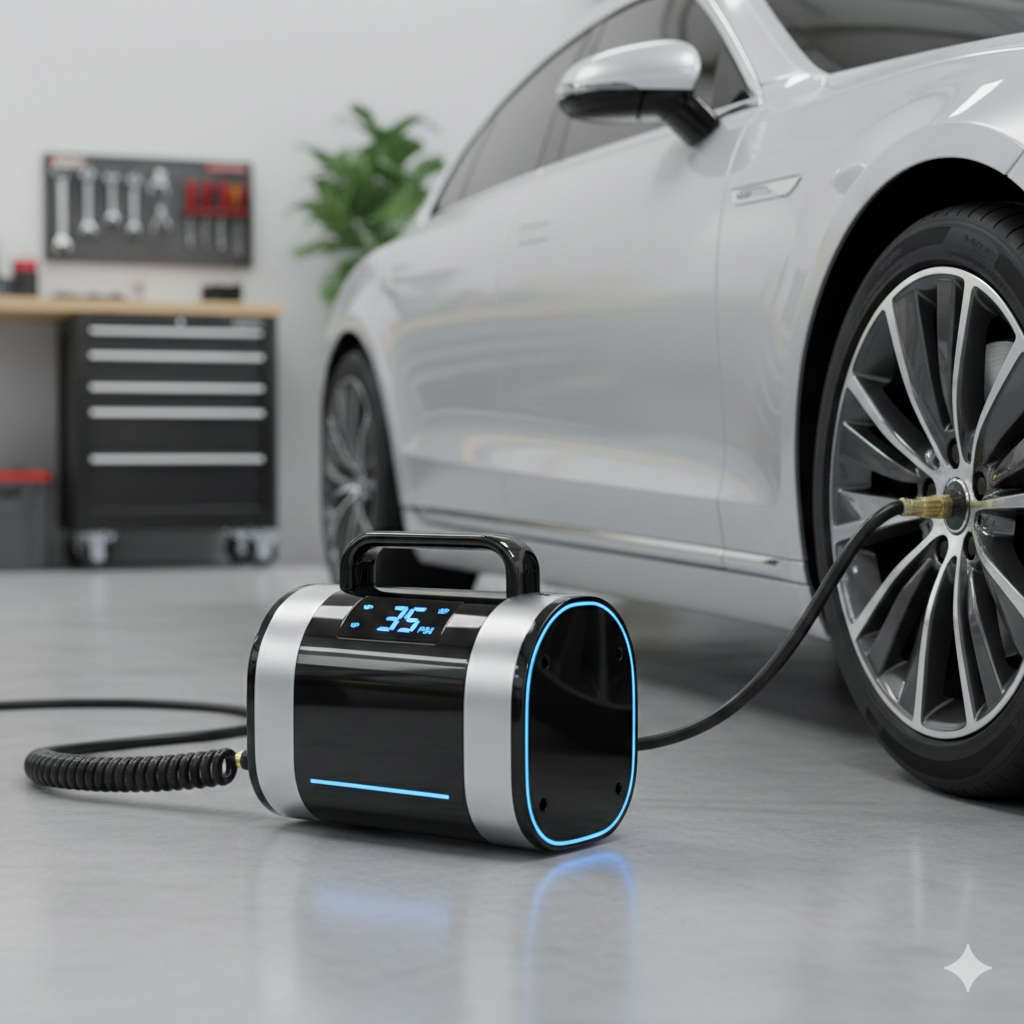
Picture this: you’re heading out for a family road trip when you notice your tire pressure warning light glowing on the dashboard. Instead of making an inconvenient detour to a gas station or calling for help, you simply grab your portable air compressor from the trunk, set your target pressure, and let it do its magic while you finish loading the car. Within minutes, you’re back on the road with perfectly inflated tires.
This scenario perfectly captures why modern portable air compressors have become essential equipment for every vehicle owner. With advanced features like automatic shut-off and precision digital gauges, today’s compressors have transformed from bulky, complicated machines into user-friendly devices that anyone can operate with confidence.
Understanding the Technology Behind Smart Air Compressors
What Makes Auto Shut-Off So Important?
Traditional air compressors required constant monitoring to prevent over-inflation—a tedious process that often resulted in guesswork and inconsistent results. Modern auto shut-off technology changes everything. Here’s how it works:
You program your desired pressure level into the digital display, connect the chuck to your tire valve, and press start. The compressor monitors pressure in real-time and automatically powers down the instant it reaches your target. No more hovering over the gauge, no risk of over-inflating, and no wasted time.
Over-inflation might seem harmless, but it creates genuine safety concerns. Tires inflated beyond manufacturer specifications develop reduced contact with the road surface, leading to longer stopping distances and decreased stability during cornering. The center of the tire tread wears faster than the edges, shortening tire lifespan and costing you money. Auto shut-off eliminates these risks entirely.
The Precision Advantage of Digital Gauges
Anyone who’s squinted at an analog pressure gauge while trying to determine if the needle points to 32 or 34 PSI understands the frustration. Digital gauges solve this problem with crystal-clear numerical displays that show exact pressure readings.
Most quality digital gauges maintain accuracy within one PSI, which matters more than you might think. Vehicle manufacturers specify exact tire pressures for good reasons—those numbers represent the sweet spot for handling, fuel efficiency, tire wear, and ride comfort. Just three PSI below the recommended pressure can reduce fuel economy by approximately one percent while accelerating tire wear.
Digital displays also excel in challenging conditions. Backlit screens remain readable in darkness during nighttime emergencies, while high-contrast numbers stay visible in bright sunlight. Many units allow you to toggle between PSI, BAR, and KPA measurements, accommodating different regional standards or vehicle specifications.
Our Top Recommended Portable Air Compressors
After extensive research and consideration of real-world performance, here are the standout options across different categories and budgets:
Best Overall: EPAuto 12V DC Portable Air Compressor
The EPAuto strikes an impressive balance between performance, reliability, and affordability. This compact powerhouse connects to your vehicle’s 12V outlet and delivers up to 70 PSI with impressive speed—inflating a standard sedan tire from flat to full in roughly five minutes.
What sets it apart is the thoughtfully designed interface. The large digital display shows current and preset pressures simultaneously, eliminating guesswork. You simply dial in your target PSI using intuitive buttons, and the unit handles the rest. When it reaches your programmed pressure, it shuts off automatically with an audible notification.
The 9.8-foot power cord and 2.3-foot air hose provide excellent reach for all four tires without repositioning your vehicle. The built-in LED flashlight illuminates your work area during nighttime emergencies. It includes three additional nozzle adapters for sports equipment and inflatables, plus a carrying case that keeps everything organized.
Best Battery-Powered: Airmoto Portable Air Compressor
For those who prioritize ultimate portability and convenience, the Airmoto represents the cutting edge of battery-powered inflation technology. Unlike corded models tethered to power outlets, the Airmoto operates completely wirelessly with its rechargeable lithium-ion battery, making it perfect for situations where electrical access isn’t available.
This compact unit fits comfortably in one hand yet delivers impressive performance. The bright digital LCD screen displays real-time pressure readings with exceptional clarity, while the intuitive control panel lets you preset your desired PSI with just a few button presses. Once you’ve set your target pressure, simply attach it to your valve stem and let the advanced auto shut-off system take over.
The Airmoto shines in versatility. Beyond vehicle tires, it excels at inflating bicycle tires, motorcycle tires, sports balls, and various inflatables thanks to included adaptors. The built-in LED emergency light provides illumination when you need it most. Its lightweight, cordless design means you can toss it in a backpack for bike rides or camping trips without the bulk of traditional compressors.
The rechargeable battery maintains enough charge for multiple tire inflations between recharges, and the USB charging capability means you can power it up using the same cable as your phone. For anyone seeking freedom from cords and ultimate grab-and-go convenience, the Airmoto delivers exactly what modern drivers need.
Best for SUVs and Trucks: VIAIR 88P Portable Compressor
Larger vehicles with bigger tires demand more powerful compressors, and the VIAIR 88P delivers professional-grade performance. With a maximum working pressure of 120 PSI and superior airflow, this unit handles truck and SUV tires with ease, inflating them significantly faster than lower-powered alternatives.
The permanently attached air hose stretches three feet, while the 10-foot power cord ensures you can reach even the most awkwardly positioned tires on large vehicles. The illuminated analog gauge provides accurate readings, though it lacks the digital precision of other models on this list. However, what it sacrifices in display technology, it makes up for in raw power and bulletproof reliability.
Built with heavy-duty components including a thermal overload protector, the VIAIR 88P withstands demanding use without overheating. It comes with a rugged carrying case and various inflation tips. While it doesn’t feature automatic shut-off, experienced users appreciate the manual control for fine-tuning pressure adjustments.
Best Budget Option: AstroAI Portable Air Compressor
Proving you don’t need to spend a fortune for reliable performance, the AstroAI offers excellent value for budget-conscious buyers. This 12V DC compressor includes both digital gauge display and auto shut-off functionality at a remarkably accessible price point.
The digital screen clearly shows target and current pressure readings, while the preset function and auto shut-off work reliably to prevent over-inflation. It inflates car tires at a respectable pace, though not as quickly as more expensive models. The 9-foot power cord and included adaptors handle various inflation needs beyond just vehicle tires.
Build quality feels solid for the price, with a textured carrying case protecting the unit during storage. The LED work light helps during nighttime use. While it may not match the durability of premium models over years of heavy use, it performs admirably for occasional tire maintenance and emergency situations.
Best Premium Choice: ARB CKMP12 Portable Air Compressor
For enthusiasts who demand maximum performance and don’t mind paying for it, the ARB CKMP12 represents the pinnacle of portable air compressor technology. Originally designed for serious off-road applications, this Australian-made compressor delivers exceptional power and reliability.
The unit inflates tires remarkably quickly thanks to its high-output motor and efficient design. While primarily featuring an analog gauge, aftermarket digital gauge kits integrate seamlessly for those preferring digital precision. The heavy-duty components withstand harsh environments and intensive use that would overwhelm lesser compressors.
What justifies the premium price is the exceptional build quality and performance consistency. The thermal management system prevents overheating during extended operation, allowing you to air up all four tires on a large SUV without rest breaks. It includes professional-grade fittings and a comprehensive carrying case. This represents a genuine investment for serious off-roaders and those who demand commercial-grade equipment.
Essential Features That Separate Good from Great
Inflation Speed and Power Output
When comparing compressors, pay attention to airflow specifications measured in cubic feet per minute (CFM) or liters per minute (L/min). Higher airflow means faster inflation. A quality portable compressor should fully inflate a standard car tire from completely flat to 35 PSI within five to eight minutes.
Maximum PSI ratings indicate the highest pressure the unit can achieve. For passenger vehicles, 100-150 PSI handles everything you’ll encounter. Bicycle enthusiasts need higher capacities since road bike tires often require 80-130 PSI, while passenger car tires typically need 30-35 PSI.
Power Source Flexibility
Consider where and how you’ll use your compressor most frequently. The 12V DC cigarette lighter adaptor remains the most common option, drawing power directly from your vehicle’s electrical system. These work excellently for roadside emergencies and routine tire maintenance.
Some models include 110V AC adaptors for home use, letting you inflate tires in your driveway using household electricity. This prevents draining your vehicle’s battery and often provides more consistent power delivery.
Battery-powered models like the Airmoto offer maximum flexibility, operating independently of any power source. They’re ideal for bicycles, motorcycles, and situations where you can’t access vehicle power. Just remember to keep the battery charged for emergency readiness.
Cord and Hose Length Matter More Than You Think
Few things frustrate more than wrestling with too-short cords that barely reach your tires. Look for power cords measuring at least 10 feet and air hoses extending at least 20-24 inches. This combination allows you to position the compressor conveniently and reach all tires without moving your vehicle or stretching connections uncomfortably.
Longer hoses also reduce strain on the valve stem connection, preventing accidental disconnection during inflation. Some premium models include coiled hoses that extend when needed but retract for compact storage.
Durability and Build Quality
Portable compressors endure challenging conditions—temperature extremes, vibration during transport, and occasional drops. Quality construction using impact-resistant plastics and metal components ensures longevity. Check reviews for reports about housing cracks, failed motors, or gauge malfunctions.
Thermal protection systems prevent motor damage from overheating during extended use. This feature proves especially valuable when inflating multiple large tires consecutively or operating in hot weather conditions.
Practical Applications Beyond Tire Inflation
Vehicle Maintenance and Safety
Regular tire pressure monitoring and adjustment represents the primary use case, but the benefits extend further. Proper inflation improves fuel economy by reducing rolling resistance—the Department of Energy estimates that maintaining correct tire pressure can improve gas mileage by up to three percent.
Correct pressure also extends tire life significantly by promoting even tread wear across the entire contact patch. Under-inflated tires wear primarily on the outer edges, while over-inflated tires wear down the center. Either scenario necessitates premature tire replacement.
Recreation and Sports Equipment
Bicyclists appreciate having a reliable compressor for quick pressure adjustments before rides. Road bikes require high-pressure precision, while mountain bikers often adjust pressure for different terrain conditions.
Sports balls, from basketballs to soccer balls, maintain proper bounce and performance characteristics only when correctly inflated. Pool toys, air mattresses, and inflatable paddle boards all benefit from quick, effortless inflation.
Emergency Preparedness
Keeping a quality compressor in your vehicle provides peace of mind during unexpected situations. A nail puncture or slow leak doesn’t automatically require using your spare tire—often you can re-inflate and reach a repair shop safely.
During winter months, tire pressure drops naturally as temperatures fall. Having a compressor lets you adjust pressure without searching for a working air pump at a convenience store.
Expert Tips for Optimal Performance and Longevity
Proper Storage Practices
Store your compressor in a cool, dry location away from extreme temperatures. Excessive heat degrades rubber components and affects battery life in cordless models. Freezing temperatures can damage internal seals and electronic components.
Keep the unit in its carrying case to protect it from dust, moisture, and physical damage. Organize all accessories—power cords, hoses, and nozzle adaptors—in designated compartments so they’re immediately available when needed.
Pre-Use Inspection Routine
Before each use, especially after extended storage periods, perform a quick inspection. Check power cords for fraying or damage to insulation. Examine air hoses for cracks, particularly near connection points where stress concentrates. Ensure nozzle adaptors fit securely without excessive wobbling.
Test the unit briefly before relying on it for an emergency. A 30-second operational check confirms everything functions properly and the battery holds adequate charge.
Maintenance Schedule
Most portable compressors require minimal maintenance, but a few simple practices extend lifespan considerably. If your model includes an air filter, inspect it monthly and clean or replace it according to manufacturer recommendations. Clogged filters reduce efficiency and strain the motor.
For battery-powered units, maintain the battery by recharging every three months even when not in use. Lithium-ion batteries degrade when stored in deeply discharged states. Keep the battery charge between 40-80% for optimal long-term health.
Periodically verify gauge accuracy by comparing readings against a known accurate reference gauge. Digital gauges generally maintain calibration better than analog versions, but occasional verification ensures you’re working with reliable data.
Making Your Purchase Decision
Identifying Your Primary Needs
Start by honestly assessing how you’ll use the compressor most frequently. Daily commuters who primarily need occasional tire top-offs can choose differently than off-road enthusiasts who regularly air down and air up tires for different terrain.
Consider your vehicle type. Compact cars with small tires have less demanding requirements than heavy-duty trucks pulling trailers. Match the compressor’s capabilities to your actual needs rather than over-buying or under-buying.
Budget Considerations and Value Assessment
Quality portable compressors with auto shut-off and digital gauges range from approximately $25 to $150 for consumer models, with professional-grade units commanding higher prices. While tempting to choose the cheapest option, remember this represents safety equipment you’ll depend on during emergencies.
Mid-range options around $40-70 typically offer the best value for most users, combining reliable performance with reasonable durability. Budget an extra $10-20 if you want premium features like faster inflation or better build quality.
Reading Reviews and Checking Warranties
Real user experiences reveal how products perform beyond marketing claims. Look for reviews mentioning long-term reliability, customer service experiences, and whether the unit meets stated specifications. Pay attention to common failure points mentioned across multiple reviews.
Warranty coverage indicates manufacturer confidence in their product. Look for minimum one-year warranties, with two years or more suggesting better quality. Understand what the warranty covers—some exclude wear items like hoses while others offer comprehensive protection.
Frequently Asked Questions
How often should I check my tire pressure?
Check tire pressure monthly and before long trips. Temperature changes affect pressure significantly—expect roughly one PSI change for every 10-degree Fahrenheit temperature swing. Check when tires are cold, meaning the vehicle hasn’t been driven for at least three hours.
Can portable compressors damage my tires?
Quality compressors with auto shut-off and accurate gauges won’t damage tires when used correctly. Always inflate to manufacturer-recommended pressures found on the driver’s door jamb sticker or owner’s manual. The danger comes from over-inflation with manual compressors or inaccurate gauges—another reason why digital gauges and auto shut-off matter.
How long do portable air compressors last?
With proper care, quality portable compressors typically last 5-10 years of regular use. Lifespan depends on usage frequency, operating conditions, and maintenance. Budget models may need replacement sooner, while premium units often exceed 10 years. Battery-powered models’ longevity partly depends on battery replacement availability.
Will running the compressor drain my car battery?
Modern 12V compressors draw power from your vehicle’s electrical system but rarely cause battery drain if your engine runs during operation. Most manufacturers recommend running the engine while using the compressor to prevent battery depletion. The power draw typically ranges from 10-15 amps, which your alternator easily supplies when the engine operates.
Final Thoughts: Investing in Peace of Mind
A portable air compressor with automatic shut-off and a digital gauge represents more than just another tool for your vehicle—it’s an investment in safety, convenience, and long-term savings. The ability to maintain optimal tire pressure improves fuel economy, extends tire life, and ensures your vehicle handles predictably in all conditions.
Modern technology has made these devices remarkably user-friendly and affordable. Whether you choose the wireless freedom of the Airmoto, the balanced performance of the EPAuto, or another model that fits your specific needs, you’re equipping yourself with a tool that delivers value every time you use it.
Don’t wait for an inconvenient flat tire or a warning light to remind you why tire pressure matters. Take control of your vehicle maintenance, enjoy the convenience of home tire inflation, and drive with confidence knowing you’re prepared for whatever the road brings.
The small investment you make today in a quality portable air compressor will pay dividends in saved time, reduced stress, and improved vehicle performance for years to come. Choose wisely, maintain it properly, and keep it accessible—your future self will thank you.